
Salon Treatment for Hard Water Hair: What to Expect
Last Updated: November 21, 2026
Quick Summary
A salon treatment for hard water hair uses a chelating agent to bind and lift calcium, magnesium, and iron deposits from the hair shaft, often followed by a bonding or moisturizing step. Stylists assess porosity and elasticity first to confirm buildup rather than damage, since chelating will not fix structural damage.
Calcium, magnesium, and iron are the three minerals that do most hard water damage.
Water above roughly 7 grains per gallon is considered hard.
Look for citric acid and EDTA in chelating shampoos, as both bind minerals.
Use a clarifying or chelating shampoo weekly, one wash only, not daily.
Blonde hair shows mineral dullness faster because lightened strands are more porous.
Is your water sabotaging your hair color?
Salon Avalon Spa diagnoses mineral buildup and builds a treatment plan around your water and hair.
Table of Contents
How Hard Water Hair Buildup Shows Up
If your hair feels rough, looks dull, and tangles more than it used to, mineral buildup is a likely culprit. Clients who move, switch to well water, or never connect their hair changes to their water supply often find that hard water is the cause. Hard water hair is a chemistry problem, not a styling one.
The common signs of hard water buildup include:
Hair that feels coated or filmy even after washing
Color that fades faster than expected, especially blondes
Persistent dullness that no shine product fixes
Increased tangling and brittleness at the ends
Scalp buildup, flaking, or itching that does not respond to dandruff shampoo
These symptoms overlap heavily with heat damage, product residue, and protein overload, which is why a proper diagnosis matters before you buy anything.
Minerals That Cling to the Hair Shaft
Three minerals do most of the damage: calcium, magnesium, and iron. Calcium and magnesium are the primary drivers of water hardness, and they leave a film on the hair shaft that blocks moisture from entering. Iron is the more aggressive offender. It binds to the protein structure of the hair and, in color-treated hair, can react with bleach and lightener to create discoloration and brassy tones.
Well water can carry higher concentrations of these minerals, which is why buildup may appear faster for some people on private wells. The U.S. Geological Survey water hardness overview explains how hardness is measured and why groundwater sources vary so widely by region.
The practical consequence: conditioner cannot penetrate a mineral film, so you can apply the richest mask and still have dry hair.
Mineral Buildup or Something Else?
Mineral buildup is a coating on the outside of the hair shaft, while damage is a structural change inside it. That distinction decides your treatment path.
Buildup responds to chelating and clarifying treatments. Damage does not. If your hair snaps easily when wet, feels mushy, or has visible split ends, a demineralizing treatment alone will not fix it. Many people have both at once, which is why a stylist may assess porosity and elasticity before recommending a treatment.
Inside a Salon Demineralizing Appointment
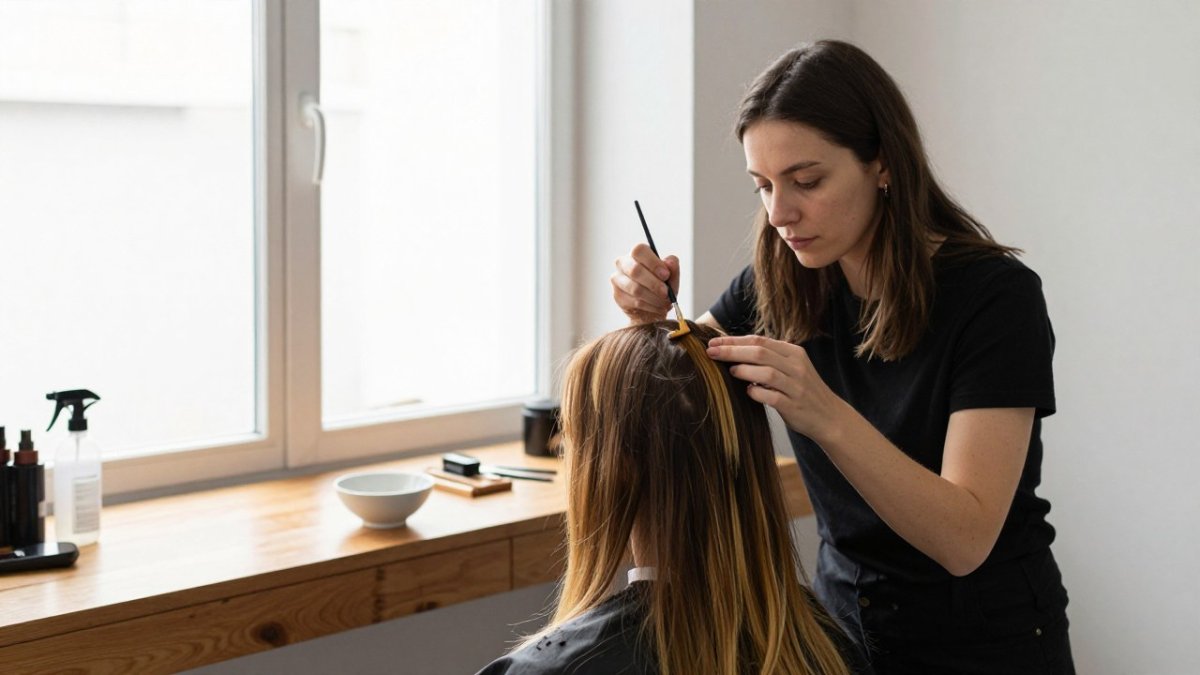
A demineralizing treatment removes mineral deposits from the hair shaft using a chelating agent, and it is often followed by a bonding or moisturizing step. Appointment length and booking options depend on hair length, density and the services planned, so contact Salon Avalon Spa for current details.

The Consultation Before the Treatment
A good appointment starts with a consultation covering your water source, color and chemical history, current products, wash frequency, and shower filter use. A stylist can assess porosity and elasticity: a strand that absorbs and dries fast is porous, while a wet strand that stretches and does not spring back signals damage. That distinction decides whether a demineralizing treatment is appropriate today or a repair-focused plan should come first.
Step by Step Through the Service
Chelating and crystal treatments differ in intensity, and the right choice depends on your hair's needs. Clients with significant damage may want to read our guide on customized blonding for damaged hair before booking.
What It Costs and How Long Results Last
Pricing depends on hair length, density, and the services included, so contact Salon Avalon Spa directly or visit our website for current prices and a quote. How long results last depends on water hardness, wash frequency, and heat styling.
Aftercare the Day Of and the Week After
After a treatment, follow your stylist's written aftercare instructions. Use a moisturizing conditioner and a leave-in or light oil on the ends.
If your hair is fragile, ask your stylist whether a demineralizing treatment and a lightening service should be split across two appointments.
Salon Chelating Treatment vs. At-Home Options
Professional chelating treatments and at-home products differ in intensity, speed, cost, and convenience.
Option | What It Does | Best For | Limitations |
Salon chelating treatment | Binds and lifts heavy mineral deposits | Well water, severe buildup, color correction prep | Requires an appointment, higher cost |
Salon crystal treatment | Gentle mineral removal and shine restoration | Maintenance, sensitive scalps | Lighter action on heavy deposits |
Clarifying shampoo | Strips surface residue and product buildup | Routine monthly reset | Can dry hair if overused |
Chelating shampoo | Targets calcium and magnesium specifically | Regular hard water exposure | Less thorough than a salon service |
Water filter | Reduces minerals at the source | Prevention for the whole household | Does not remove existing buildup |
At-home options work slowly. A clarifying shampoo helps but will not dissolve years of iron and calcium the way a professional chelating treatment can. If your hair is already fragile from lightening, read our guide to fixing damaged hair after bleaching so you do not stack treatments your strands cannot handle.
Hard Water Hair Treatment at Home: What Actually Works
The at-home routine that works is built on three steps: test, remove, restore and protect. Skip the testing step and you are guessing at the cause, which is how people end up buying three clarifying shampoos that do not fix the problem.
Step 1: Test Your Water Before You Buy Anything
Start with a free or low-cost water hardness test. Many municipal water utilities publish an annual water quality report, sometimes called a consumer confidence report, that may list hardness and mineral levels. If you are on well water, a hardware store test strip or a lab mail-in kit gives you a baseline.
Once you know your number, you can match the treatment to the cause. Very hard water with high iron calls for a chelating shampoo and a shower filter; moderately hard water may only need a clarifying wash every couple of weeks.
Step 2: Remove Buildup With the Right Product
A chelating shampoo, used according to the label, can help remove mineral buildup. Follow with a moisturizing conditioner and a leave-in or light oil on the ends.
Look for citric acid and EDTA, both of which bind minerals. Citric acid is a mild chelator that also helps close the cuticle; EDTA is a stronger synthetic chelator that grabs calcium and magnesium. Sulfate-free formulas are gentler for color-treated hair, though some clarifying products intentionally include sulfates for deeper stripping.
Using a clarifying shampoo as an everyday wash can strip natural oils along with minerals, so it is generally best used as a periodic reset.
Step 3: Restore and Protect Between Treatments
After any chelating or clarifying wash, the cuticle is more open than usual, so moisture and protein go in more easily, and leach out more easily too. Follow with a moisturizing conditioner every wash, a deep conditioning mask every one to two weeks, and a leave-in or light oil on the ends.
A shower filter can help prevent buildup. Filters labeled for hard water are designed to reduce calcium, magnesium, and iron; carbon-only filters mainly target chlorine. No shower filter removes all minerals, but reducing the load means you can chelate less often.
How to Tell Buildup From Damage
Mineral buildup is a coating on the outside of the hair shaft, while damage is a structural change inside it. Buildup responds to chelating and clarifying treatments; damage does not. If your hair snaps easily when wet, feels mushy, or has visible split ends, you are likely dealing with damage that a demineralizing treatment alone will not fix. Many people have both at once, which is why we assess hair porosity and elasticity before recommending anything. If your hair is already fragile from lightening, read our guide to fixing damaged hair after bleaching so you do not stack treatments your strands cannot handle.
Hard Water Shampoo and Chelating Treatment: Building Your Routine
A workable hard water hair routine alternates between chelating, moisturizing, and protecting, with each step on its own schedule. The mistake is doing everything at once.
A workable routine for managing hard water at home may include:
Weekly: chelating or clarifying shampoo, one wash only
Every wash: moisturizing conditioner on mid-lengths and ends
Biweekly: deep conditioning mask, especially after a chelating wash
Ongoing: leave-in treatment or heat protectant before styling
Monthly: check for scalp buildup and adjust frequency
If you have a water filter on your shower, your chelating frequency can drop. If you are on well water without filtration, you will likely need to stay closer to weekly. Blonde hair can show mineral dullness faster than darker shades, so a consistent home routine helps. See our home maintenance routine for icy blonde hair.
How Often to Use a Hard Water Hair Treatment
How often hair needs a chelating or clarifying treatment depends on water hardness and color history, and a stylist can advise on a schedule that fits your hair.
Adjust based on what you observe. If hair starts feeling coated or tangles return within a few days of washing, move toward weekly. If hair feels stripped, squeaky, or brittle after treatment, you are overdoing it. Hair texture can affect how quickly buildup appears, so clarifying frequency may vary between curly and fine hair.
Hard Water Effects on Blonde Hair
Blonde hair shows hard water damage more dramatically than any other color. Lightened strands are more porous, so they absorb minerals faster and hold onto them longer, producing dullness, discoloration, and brassy tones weeks earlier than they should.
Iron is the specific problem for blondes. When iron deposits meet bleach or lightener, they can create a warm, sometimes greenish cast that no purple shampoo will correct. Knowing your water source can help plan a blonding appointment, and a demineralizing treatment may sometimes be recommended first. If your blonde has already gone warm, see our guide to fixing brassy blonde hair at home for ideas you can try between appointments.
Booking a Hard Water Hair Consultation
A consultation can help clarify the cause of your hair concerns. Bringing your water source, product list, and color history helps your stylist recommend the right next step.
If you are also considering a smoothing service, our keratin smoothing treatment options page explains how those treatments interact with mineral removal and what to expect from the appointment itself.
At Salon Avalon Spa, our stylists bring over 20 years of industry experience and a specialization in blonding techniques to every appointment.
Hard water does not have to dictate how your hair looks and feels.
Frequently Asked Questions
How do salons remove mineral buildup from hair?
Salons use chelating or demineralizing treatments formulated to bind calcium, magnesium, and iron so they rinse away instead of staying on the hair shaft. Chelating treatments are typically applied after assessing your hair and water history, followed by a moisturizing conditioner. The result is softer texture, better shine, and color that reads truer.
Can hard water make blonde hair look brassy?
Yes. Iron and copper in water can react with lightened hair and leave it looking dull or orange-toned, and mineral film also blocks light reflection, which flattens shine. Blonde hair shows this faster than darker shades because there is less pigment to mask discoloration. A chelating treatment removes the metals, and a toner refreshes the tone. If you have well water, testing it before a blonding appointment can help you plan ahead.
How often should I get a hard water treatment at a salon?
How often you need a professional demineralizing treatment depends on water hardness, how often you wash, and whether your hair is color-treated. Between visits, a clarifying or chelating shampoo may help, and a stylist can advise on the right cadence for your hair.
Is an at-home hard water hair treatment enough on its own?
At-home options handle mild buildup well, especially a chelating shampoo used every few weeks plus a water filter on your showerhead. Heavy buildup, brassy blonde, or hair that stays rough after clarifying may benefit from a professional treatment. Home care can serve as ongoing maintenance between professional visits.

Comments