
Best Professional Hair Products for Color Treated Hair
Table of Contents
Last Updated: October 1, 2026
Why Professional Hair Products Matter for Color-Treated Hair
Color-treated hair demands a different approach than untreated hair. Once you've applied color, whether it's a permanent dye, bleach, or semi-permanent tint, your hair's structure changes. The cuticle layer becomes more porous, making it vulnerable to moisture loss and color fading. This is where best professional hair products for color treated hair become essential, not optional.
Professional-grade formulas address what drugstore alternatives simply cannot. They're engineered with sulfate-free cleansing systems that preserve color molecules instead of stripping them away. They contain pH-balancing ingredients that keep the cuticle sealed. Most importantly, they work to restore the protein and moisture balance that color processing disrupts.
The difference between professional and consumer products isn't just marketing. Professional lines use higher concentrations of active ingredients, better delivery systems, and formulations tested specifically on chemically treated hair. The right products extend color vibrancy by weeks, reduce breakage, and transform how your hair feels and looks between appointments.
Sulfate-Free Shampoo for Color Treated Hair: The Foundation of Protection
The foundation of any color-safe routine starts with the right shampoo. Sulfates are surfactants that create lather and lift dirt, but they're also aggressive enough to open the hair cuticle and release color molecules. Sulfate-free shampoo for color treated hair isn't a luxury; it's a necessity if you want your color to last.
Professional sulfate-free shampoos work differently. They use gentler surfactants that cleanse without compromising the cuticle. Look for products that combine sulfate-free cleansing with antifade technology, ingredients like antioxidants and UV absorbers that protect color from oxidative stress and sun damage.
Pureology Hydrate Moisturizing Shampoo leads the market for this category. Its ZeroSulfate formula includes an Antifade Complex with jojoba, green tea, and sage. The formula is concentrated, meaning a little goes a long way. For dry, color-treated hair specifically, this is the benchmark product.
For a more accessible option, Biolage Professional Color Last Shampoo delivers similar protection. Its low pH formula and orchid extract maintain color depth and tone. The formula is designed to extend color vibrancy for up to 9 weeks, which is realistic for most color treatments.
Pro Tip Use less product than you think you need. Professional shampoos are concentrated, so a quarter-sized amount is usually sufficient for shoulder-length hair. More product doesn't mean better cleansing, it just means more rinsing and potential buildup.
How to Prevent Hair Color Fading: Key Strategies and Product Selection
Understanding how to prevent hair color fading goes beyond just picking the right shampoo. Color fading happens through multiple mechanisms: oxidative stress from environmental exposure, moisture loss that makes the hair dull, and chemical reactions triggered by heat and UV rays.
Beauty Sight
The first strategy is minimizing heat exposure. Every time you blow-dry, flat-iron, or curl your hair, you're accelerating color fade. If you must use heat, apply a thermal protection product first. These create a barrier that reduces moisture loss and protects the cuticle from heat damage.
The second strategy involves UV protection. Sun exposure oxidizes color molecules, causing fading and sometimes unwanted tone shifts (like blonde turning brassy) (pubmed.ncbi.nlm.nih.gov). Products with UV filters aren't luxury items, they're practical defenses. Aveda Color Control Shampoo includes plant-based UV protection, and Paul Mitchell Color Protect Shampoo uses sunflower extract for the same purpose.
The third strategy is maintaining hair porosity and moisture. Porous hair absorbs and releases color unevenly, leading to patchy, dull-looking color. Deep conditioning treatments restore the lipid barrier and improve elasticity, which helps the hair hold onto color molecules more effectively.
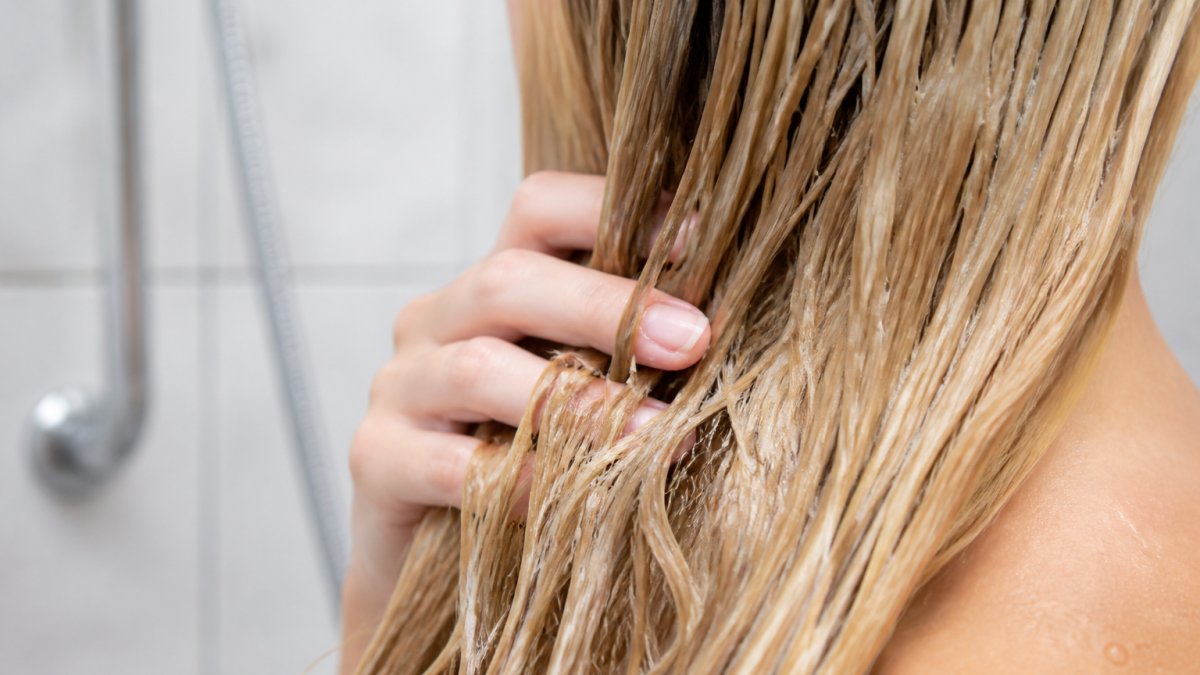
Water temperature matters too. Hot water opens the cuticle; cold water closes it. Rinse your hair with the coolest water you can tolerate after shampooing to seal the cuticle and lock in color.
Watch Out Hard water minerals build up on color-treated hair and accelerate fading. If you have hard water, consider a chelating shampoo once monthly to remove mineral deposits. Without this, even the best color-safe products lose effectiveness over time.
Professional Deep Conditioning Treatments for Colored Hair
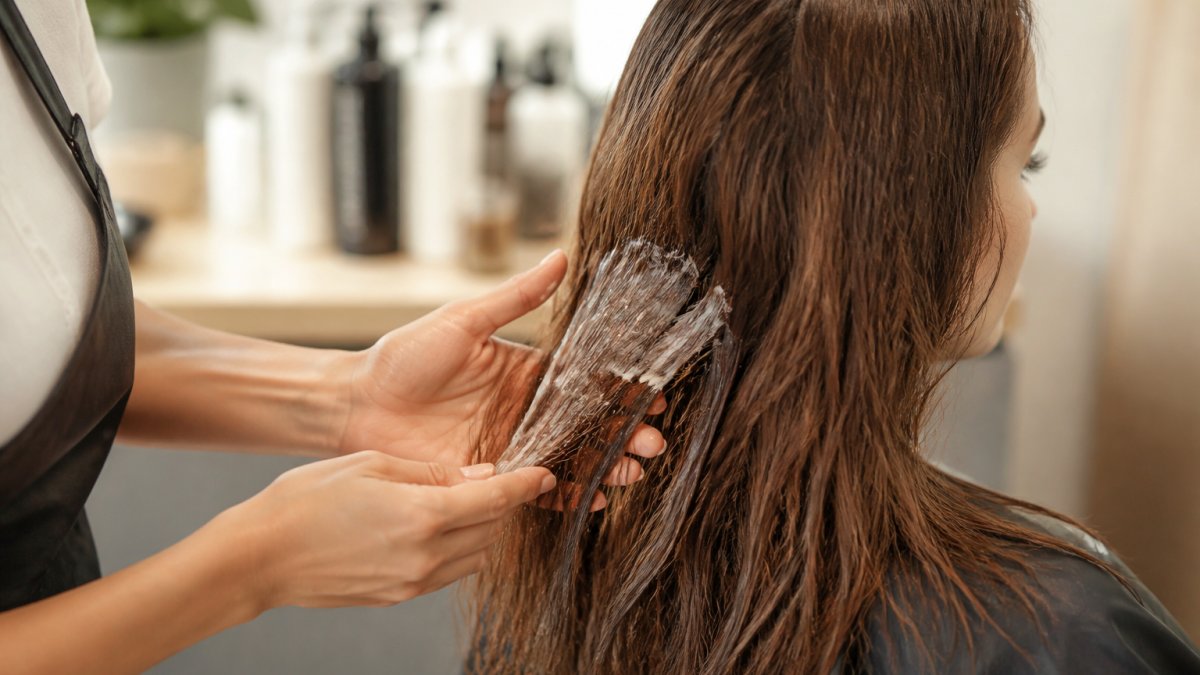
Color processing removes moisture and protein from the hair shaft. Professional deep conditioning treatments for colored hair restore what was lost and prepare the hair to hold color more effectively. These aren't the same as rinse-out conditioners, they're intensive formulas designed to penetrate and repair.
The best professional deep conditioning treatments contain protein (to rebuild the hair structure), moisture (to restore elasticity), and emollients (to seal the cuticle). Olaplex No. 4 Bond Maintenance Shampoo, while technically a shampoo, works as a deep treatment because of its bond-building technology. It's specifically designed for hair that's undergone heavy bleaching or chemical color treatments. The patented technology re-links broken bonds in the hair structure, which is why it's so effective for bleached blonde hair.
For pure conditioning without the shampoo function, look for products with high concentrations of hydrating ingredients. Kérastase Chroma Absolu Shampoo, despite its name, can be used as a rinse-out treatment. It's enriched with amino acids and Centella Asiatica, making it ideal for sensitized or damaged color-treated hair. The formula reduces frizz and improves texture significantly.
The frequency of deep conditioning depends on hair damage level. Lightly colored hair (like a single-process color) benefits from deep conditioning weekly. Heavily processed hair (bleached blonde, multiple color corrections) needs deep conditioning 2-3 times weekly. Between professional treatments, at-home deep conditioning prevents the brittleness and breakage that come with color-treated hair.
Key Takeaway The most important time to deep condition is immediately after coloring. The first 48 hours post-color are critical for restoring moisture and stabilizing the new color. Professional salons often include a treatment in the coloring service for this reason.
Top Professional Products for Color-Treated Hair
Best for Extreme Damage and Bleached Hair
Olaplex No. 4 Bond Maintenance Shampoo stands apart for anyone with severely damaged or bleached hair. This isn't just a shampoo, it's a repair system. The patented bond-building technology actively re-links broken disulfide bonds in the hair structure, which is what happens during bleaching.
The formula is highly concentrated, so a small amount goes far. Users report that their hair feels noticeably stronger and less prone to breakage within a few washes. For bleached blonde hair specifically, this is the most effective option available.
Pros: Industry-leading repair technology, highly concentrated, visible results for damaged hair, color-safe formulation
Cons: Can feel heavy if overused, premium pricing, not ideal for fine hair types

Best for Moisture and Vibrancy Balance
Pureology Hydrate Moisturizing Shampoo balances two critical needs: restoring moisture without dulling color vibrancy. The Antifade Complex combines antioxidants with UV protection, actively preventing color fade while the formula hydrates. Jojoba, green tea, and sage work together to restore the lipid barrier.
This is the product to choose if your color-treated hair feels dry and looks dull. The formula is sulfate-free and 100% vegan, making it suitable for all color types.
Pros: Excellent color vibrancy maintenance, intense moisture without buildup, suitable for all color types, concentrated formula
Cons: Premium price point, may be too heavy for fine or thin hair
Best Budget-Friendly Professional Option
Redken All Soft Shampoo delivers professional-grade results. It's an accessible option on this list while still offering real color protection. The argan oil-enriched formula provides deep softening, and the Moisture Complex restores manageability to brittle, color-treated hair.
This shampoo won't have the specialized antifade technology of premium lines, but it's effective at preventing the brittleness and breakage that accelerate color fade.
Best Natural and Plant-Based Choice
Aveda Color Control Shampoo appeals to those prioritizing natural ingredients without sacrificing performance. The plant-based formula uses sulfate-free cleansing and includes natural UV protection through plant extracts. Osmanthus and orange provide an aroma-therapeutic benefit, though the scent can be strong for sensitive users.
Cons: Strong fragrance, limited retail availability, premium pricing
What to Avoid: Ingredients That Damage Color-Treated Hair
Certain ingredients actively work against color longevity and hair health. Understanding what to avoid is just as important as knowing what to choose.
Building Your Color-Safe Routine: From Wash to Treatment
A complete color-safe routine has four components: cleansing, conditioning, treatment, and protection.
Step | Frequency | Product Type | Expected Benefit |
Cleanse | 2-3x weekly | Sulfate-free shampoo | Preserves color molecules |
Condition | Every wash | Color-safe conditioner | Restores moisture, seals cuticle |
Deep treat | 1-3x weekly | Intensive treatment | Repairs damage, improves elasticity |
Protect | Before heat/sun | Thermal or UV spray | Prevents oxidative stress |
Frequently Asked Questions
What is the best brand of professional hair products for color-treated hair?
The best choice depends on your hair's specific needs. Pureology and Kérastase excel at maintaining vibrancy and repairing damage from bleaching. Olaplex is industry-leading for bond repair after chemical color treatments. Biolage offers reliable color protection at a more accessible price point. Professional-grade products differ from drugstore options because they use sulfate-free formulas, higher concentrations of active ingredients, and pH-balanced systems that prevent color stripping. Consult with your stylist about which formula matches your hair's porosity and damage level.
Why should you use professional-grade products on color-treated hair?
Professional products are specifically formulated to address color-treated hair's unique needs. They use sulfate-free cleansing systems that don't strip pigment molecules from the hair shaft, pH-balanced formulas that close the cuticle layer, and concentrated active ingredients like amino acids and plant extracts that repair oxidative stress from chemical processing. Standard drugstore shampoos often contain harsh sulfates and high pH levels that accelerate color fading and increase dryness and breakage in already-sensitized hair.
Are sulfate-free products necessary for color-treated hair?
Yes, sulfate-free formulas are essential for color longevity. Sulfates are anionic surfactants that strip away not only dirt but also the oils that protect your hair and the color molecules embedded in the cuticle. Even one wash with a sulfate-containing shampoo can noticeably fade color vibrancy. Sulfate-free products cleanse gently while preserving the lipid layer that seals color inside the hair fiber, extending the life of your color by weeks.
How often should you use a deep conditioning treatment on colored hair?
Color-treated hair benefits from professional deep conditioning 1-2 times per week, depending on damage level. Hair that has been bleached or undergone multiple color services needs weekly treatments to restore moisture, rebuild protein structure, and improve elasticity. Less-processed colored hair may need treatments every 10-14 days. Start with weekly applications for the first month after coloring, then adjust frequency based on how your hair feels and looks. More frequent treatments prevent the brittleness and dullness that signals color is fading.
Comments